
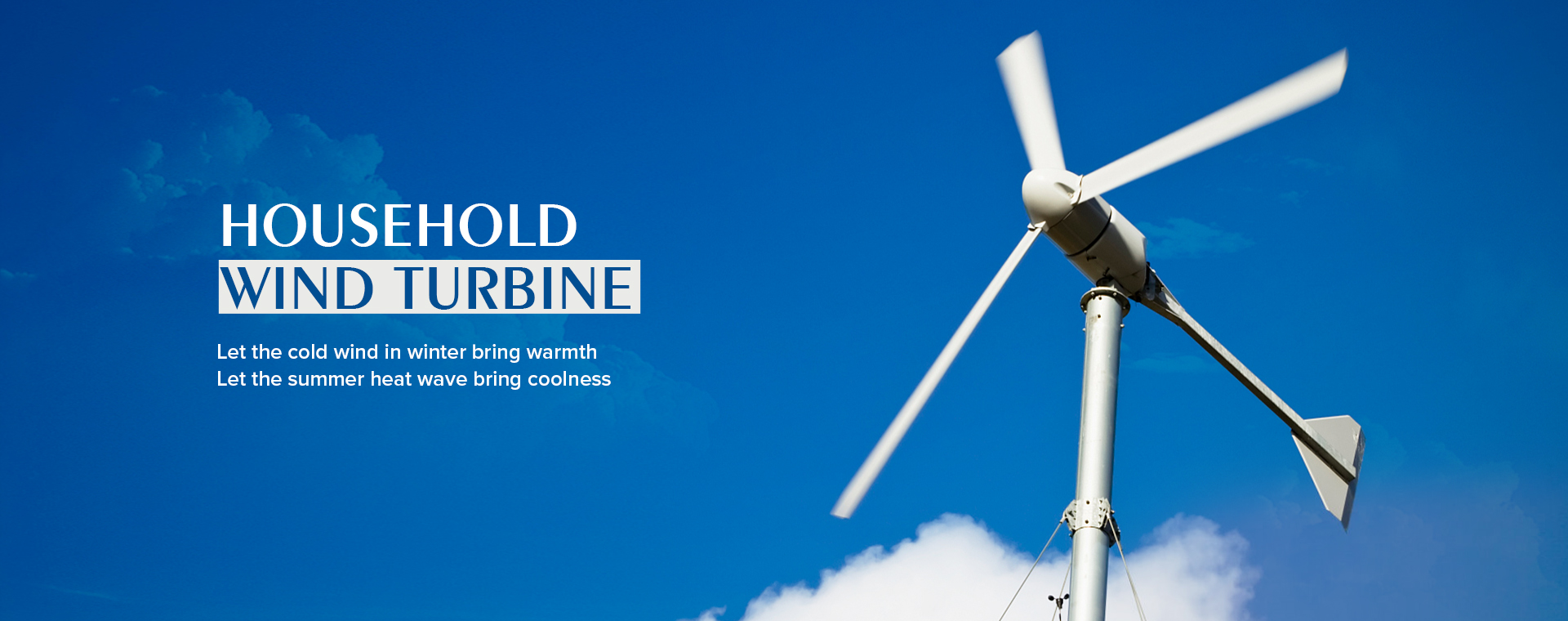
Wind Turbine Generator Working Principle: Wholesale Insights from Manufacturers
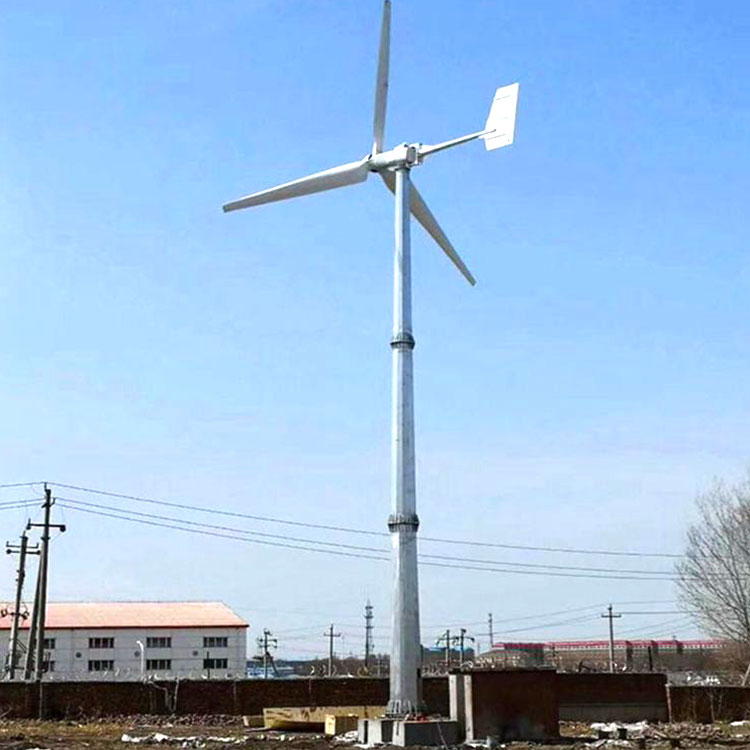
When it comes to understanding the working principle of wind turbine generators, I believe knowledge is power. These innovative machines convert wind energy into electrical energy by utilizing aerodynamic blades to capture the wind's kinetic energy. As the blades turn, they spin a rotor connected to a generator, creating electricity that's ready to power your operations. As a wholesale supplier, I connect businesses with leading manufacturers who specialize in efficient and reliable wind turbine generators. Our products ensure not only sustainability but also cost-effectiveness for your energy needs. By choosing our solutions, you’re investing in a greener future while benefiting from competitive pricing and high-quality performance. Let’s work together to harness the power of wind and drive down your operational costs. Whether you’re a distributor or a large enterprise, my team is here to support your journey to renewable energy. Join the movement towards a more sustainable industry today!

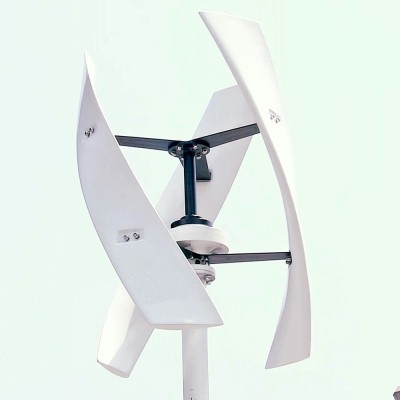
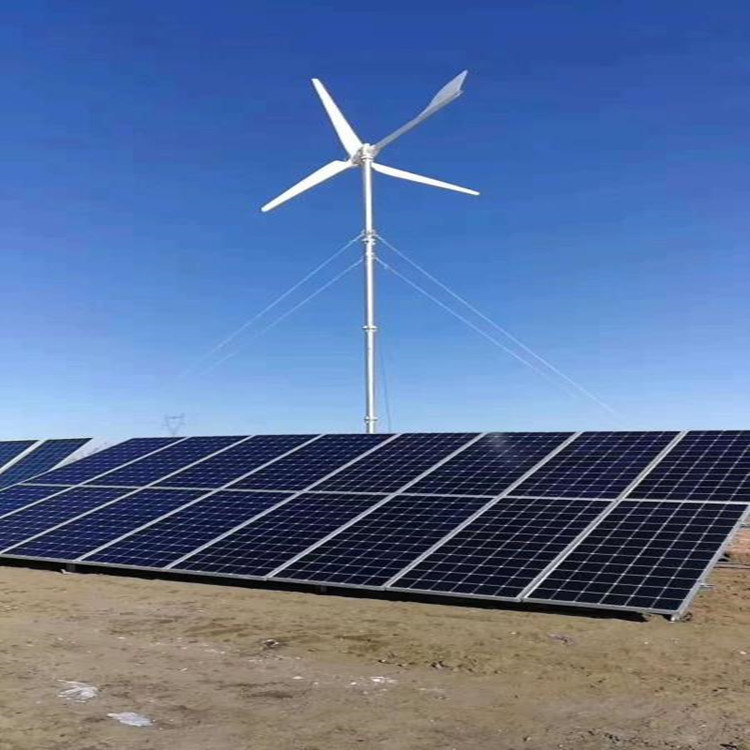
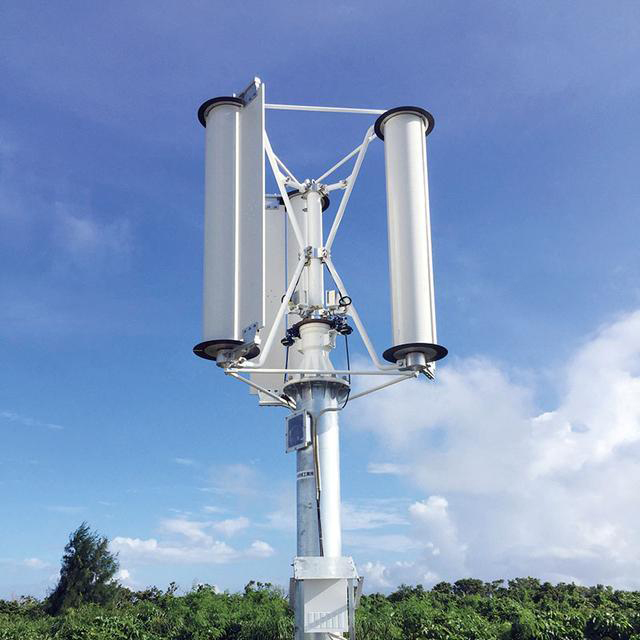
Wind Turbine Generator Working Principle Is The Best Ahead of the Curve
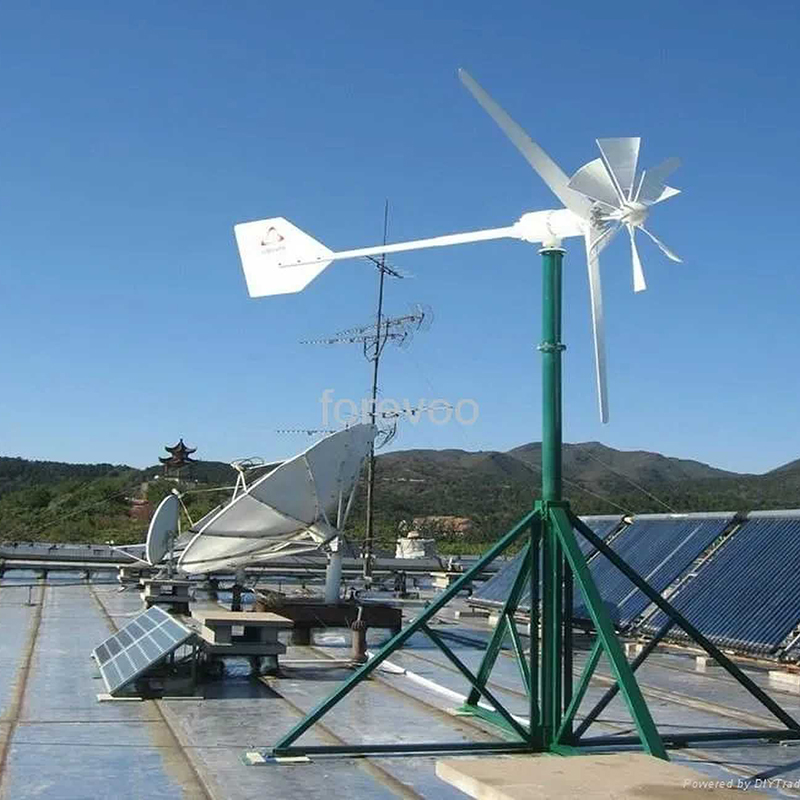
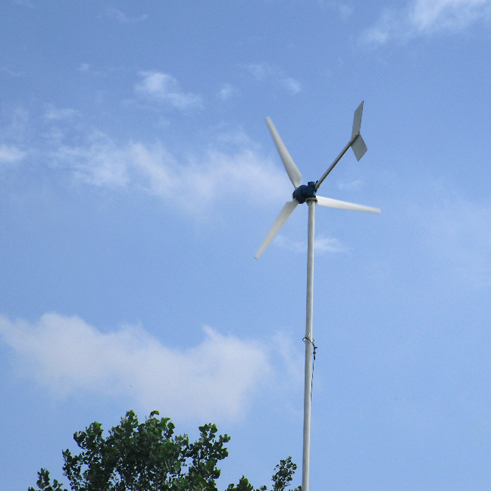
Wind turbines represent a crucial advancement in renewable energy technology, harnessing wind energy to generate electricity sustainably. The working principle behind wind turbine generators is a remarkable combination of aerodynamics and mechanics. When wind flows over the blades of a turbine, the shape and angle of these blades create lift, causing them to rotate. This rotational motion is transferred to a generator, where it is converted into electrical energy. The efficiency of this process is continuously improving with advancements in materials and design, making modern turbines not only more powerful but also more reliable. The global push for sustainable energy solutions has positioned wind power as a leader in the energy transition. As countries strive to reduce their carbon footprints and promote green energy, wind turbines are at the forefront of this movement. The reliability of wind turbine generators in various weather conditions, coupled with their decreasing costs, makes them an attractive option for energy providers worldwide. As technologies evolve, such as the integration of smart grid capabilities and enhanced energy storage solutions, the effectiveness of wind energy continues to grow, ensuring a stable and sustainable supply of electricity. Investing in wind turbine technology not only aligns with global sustainability goals but also opens doors for significant economic benefits. Companies are increasingly recognizing the long-term savings associated with renewable energy, leading to greater interest and investment in wind farms. For global buyers, understanding the intricacies of wind turbine generator operations is essential in making informed procurement decisions. By embracing this cutting-edge technology, businesses can position themselves competitively in the rapidly evolving energy market.
Wind Turbine Generator Working Principle Is The Best Ahead of the Curve
| Dimension | Value | Description |
|---|---|---|
| Rotor Diameter | 100 m | The diameter of the rotor that captures wind energy. |
| Rated Power | 2.5 MW | The maximum power output of the turbine under optimal conditions. |
| Cut-in Wind Speed | 3 m/s | The minimum wind speed at which the turbine starts generating power. |
| Cut-out Wind Speed | 25 m/s | The wind speed at which the turbine shuts down to avoid damage. |
| Height of Tower | 80 m | The height of the turbine tower from the ground to the rotor hub. |
| Efficiency | 40% | The efficiency percentage of converting wind energy into electrical energy. |
Related Products


Wind Turbine Generator Working Principle Ahead of the Curve Exceeds Industry Benchmarks
Top Selling Products
- Related Blog
- Reviews
