
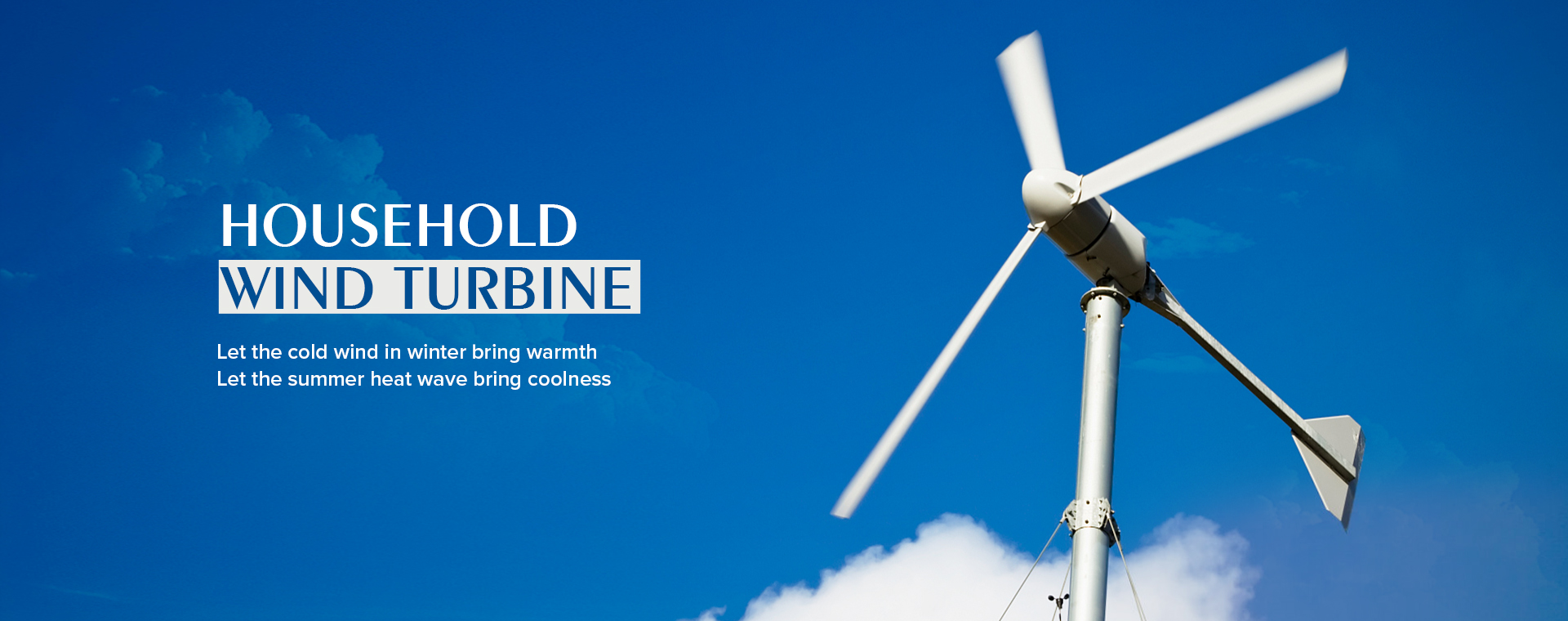
Famous Vertical Access Wind Turbines: Leading Factories & Innovations
When it comes to efficient energy solutions, I can't help but get excited about Vertical Access Wind Turbines. These innovative systems are designed to harness wind energy with maximum efficiency, making them a game-changer for factories aiming to reduce their carbon footprint. I've seen some of the most famous operations incorporate these turbines, transforming their energy consumption and significantly cutting operational costs. What sets these turbines apart is their unique vertical design, which allows for optimal performance even in turbulent wind conditions. They're perfect for industrial settings, where space might be limited and efficiency is vital. I’ve personally witnessed the difference they make in production facilities, providing a reliable, renewable energy source. If you're in the market for sustainable advancements, Vertical Access Wind Turbines could be the solution your factory needs. Let's make a positive impact on the environment while boosting your bottom line!
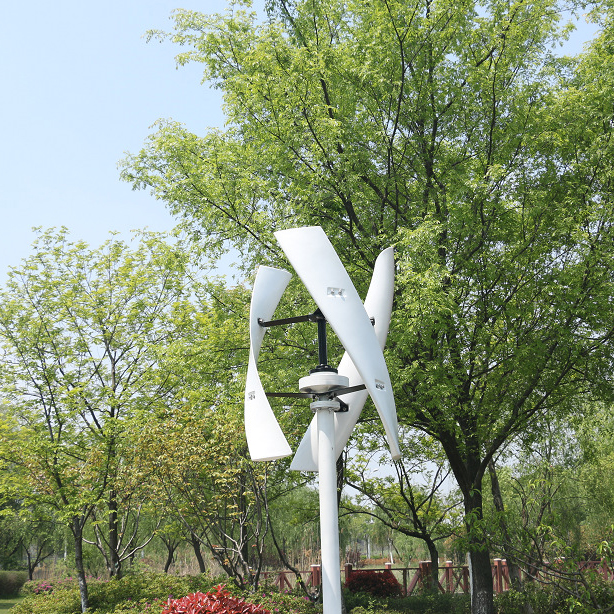
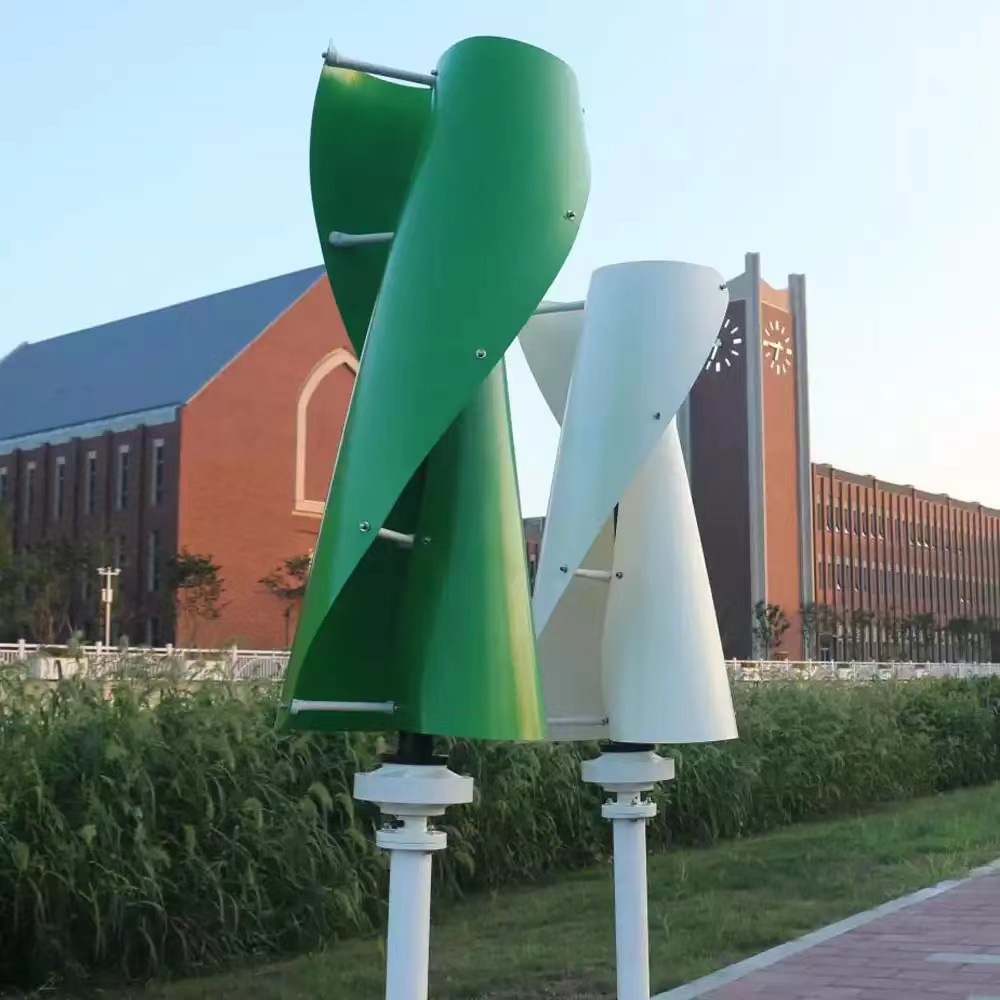
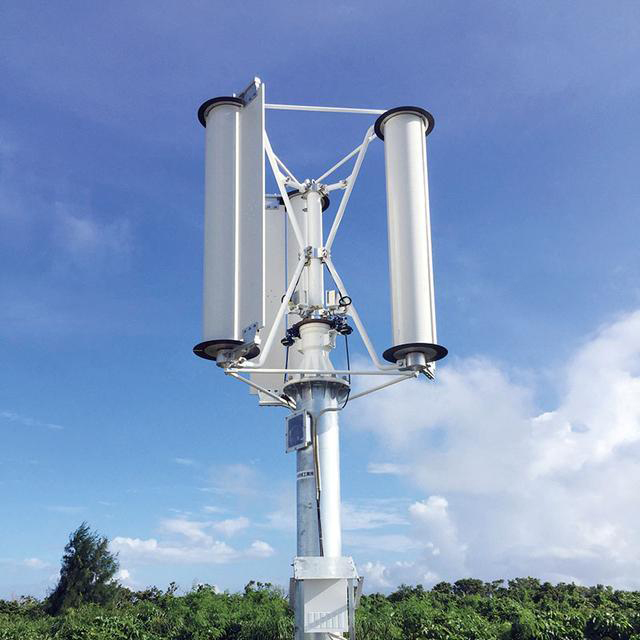

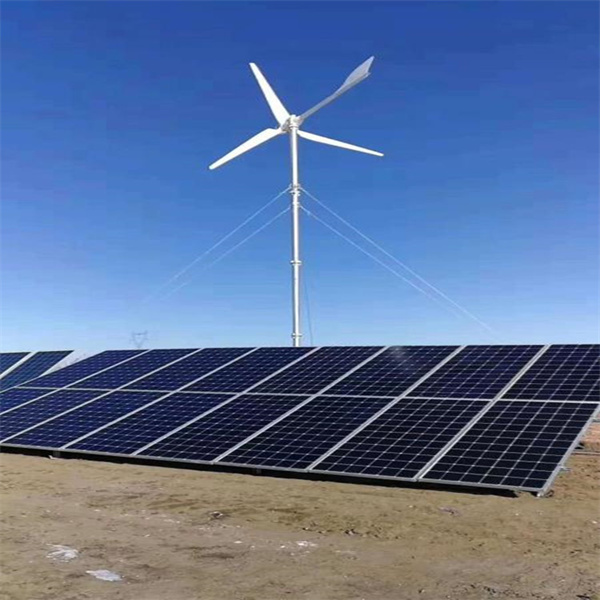

Vertical Access Wind Turbines Application Winning in 2025
As the world shifts towards more sustainable energy solutions, vertical access wind turbines are poised to revolutionize the renewable energy landscape by 2025. These innovative systems offer a myriad of benefits that cater to the diverse needs of urban environments and harsh terrains, making them ideal for global procurement buyers seeking efficient and adaptable energy solutions. What sets vertical access wind turbines apart is their unique design, which allows for installation in confined spaces and areas where traditional turbine models may not be viable. They operate quietly and can harness wind energy at lower speeds, making them suitable for both urban and rural applications. Furthermore, their reduced height and streamlined silhouette make them less obtrusive, appealing to local communities and city planners who are increasingly focused on mitigating the visual and noise impact of energy infrastructure. As the demand for renewable energy escalates, investing in vertical access wind turbines will not only contribute to environmental sustainability but also promote energy independence and security. Global buyers will find that these turbines represent a forward-thinking solution, aligning with the future of energy production and the integration of smart technologies. Utilizing this emerging technology can position businesses ahead in the competitive renewable energy market, creating opportunities for growth and innovation in the years to come.
Vertical Access Wind Turbines Application Winning in 2025
| Application Area | Projected Capacity (kW) | Efficiency (%) | Annual Energy Production (MWh) | Environmental Impact |
|---|---|---|---|---|
| Residential Areas | 10 | 35 | 18 | Low Noise, Low Carbon Footprint |
| Urban Settings | 50 | 40 | 200 | Reduced Urban Heat, Energy Independence |
| Industry and Manufacturing | 100 | 30 | 350 | Sustainable Operations, Cost Savings |
| Agricultural Lands | 20 | 33 | 70 | Enhanced Crop Growth, Lowers Crop Costs |
| Remote Areas | 200 | 45 | 900 | Energy Access, Lower Reliance on Diesel |
Related Products

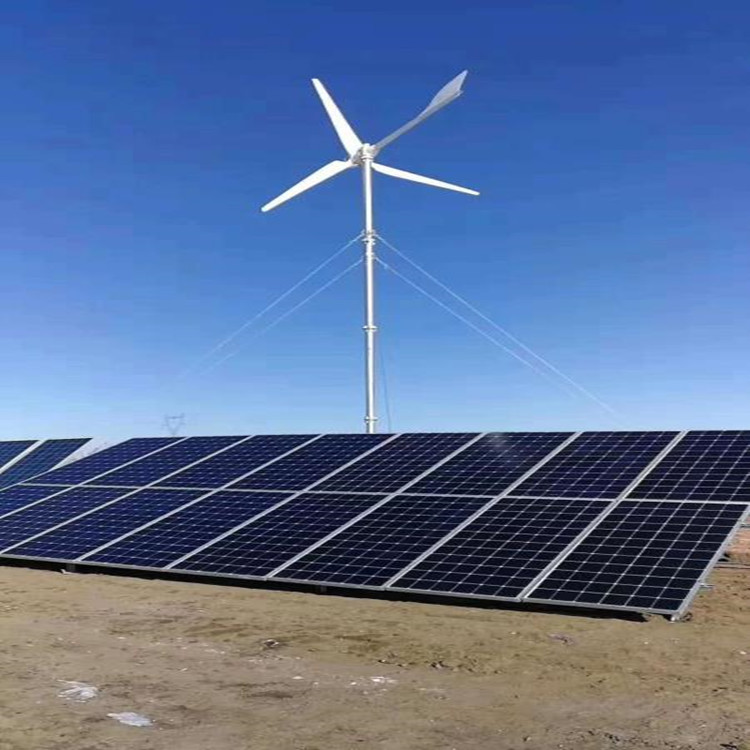
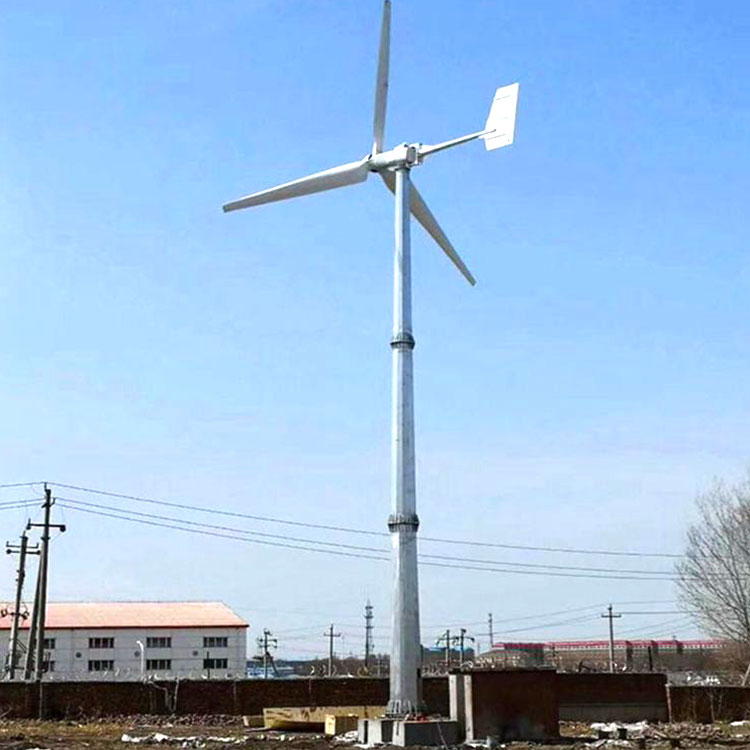
Vertical Access Wind Turbines in 2025 Factory-Direct Excellence
Top Selling Products
- Related Blog
- Reviews
