
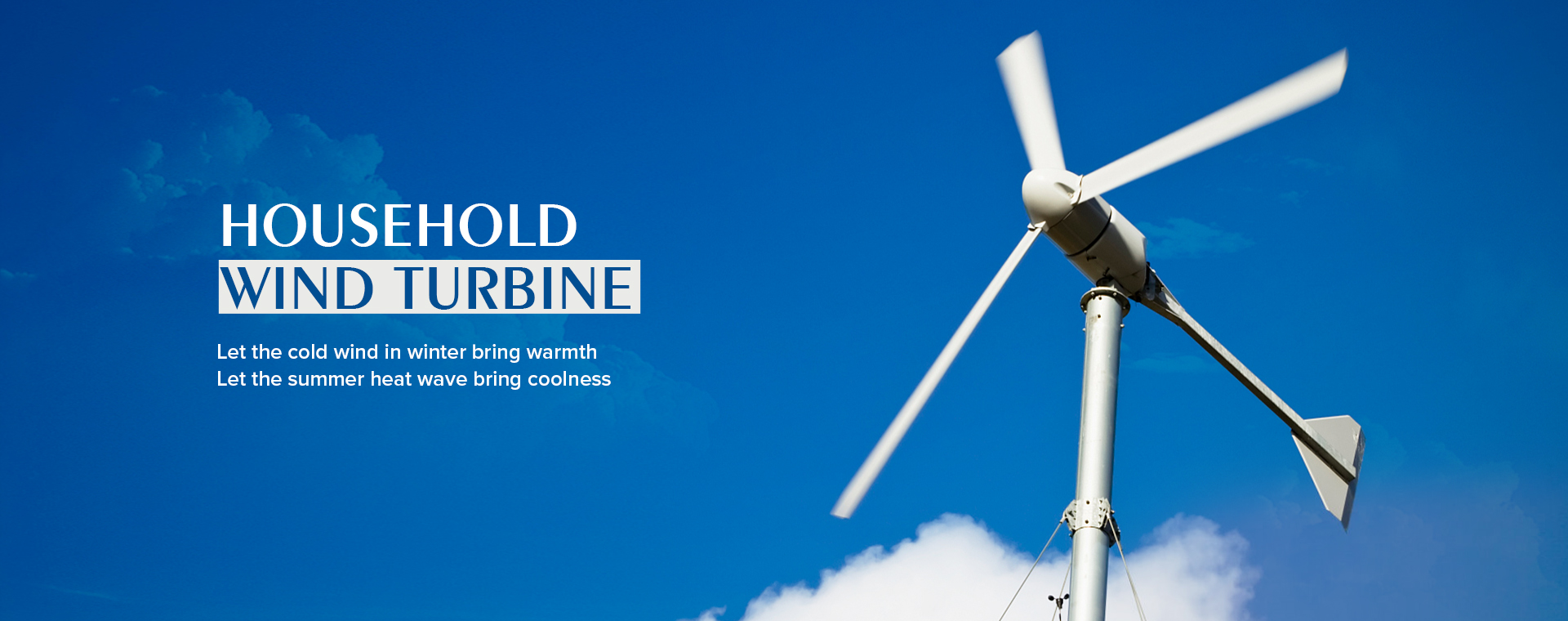
High-Quality Types of Wind Turbines from Trusted Suppliers
When it comes to understanding different types of wind turbines, I’ve got you covered with high-quality options that fit any project. Whether you’re a large company or a small firm, it's essential to choose the right turbine that meets your needs and enhances efficiency. From horizontal axis turbines to vertical axis types, I offer a range that showcases durability and innovative design. Partnering with dependable suppliers, I ensure that you receive top-notch products that can withstand the toughest conditions and provide optimal energy output. My focus on high-quality solutions means you don't have to worry about performance or reliability. With tailored options and expert guidance, you can trust that you’re investing in wind turbines that will meet your business goals and reduce your carbon footprint. Let’s take your renewable energy initiatives to new heights together!
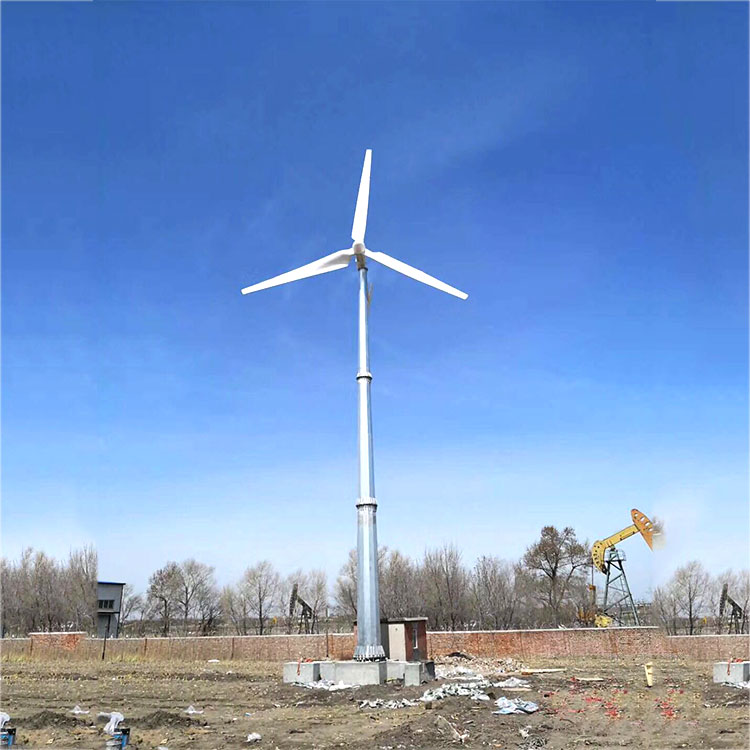
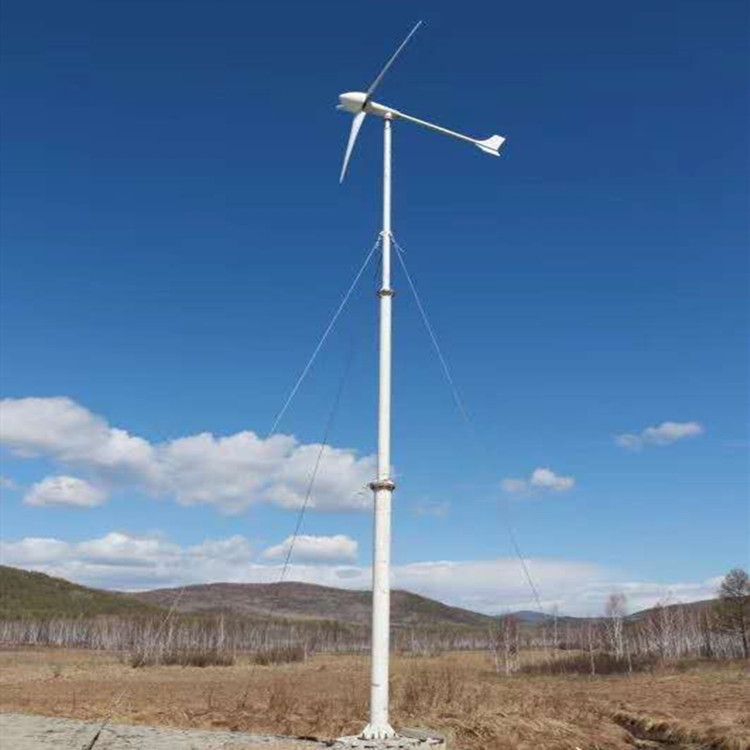

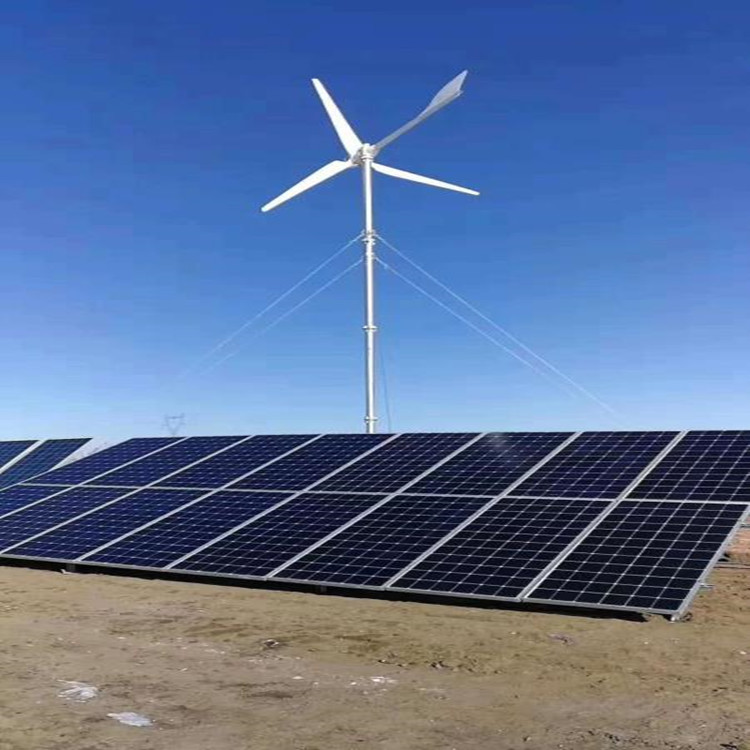
Types Of Wind Turbines Products Pioneers in the Field
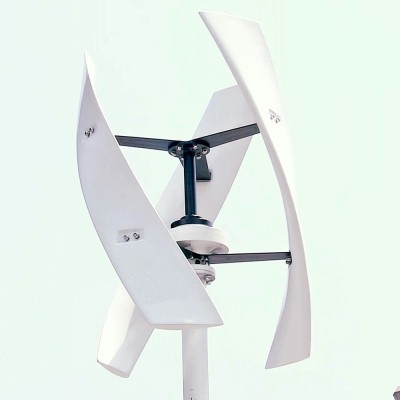
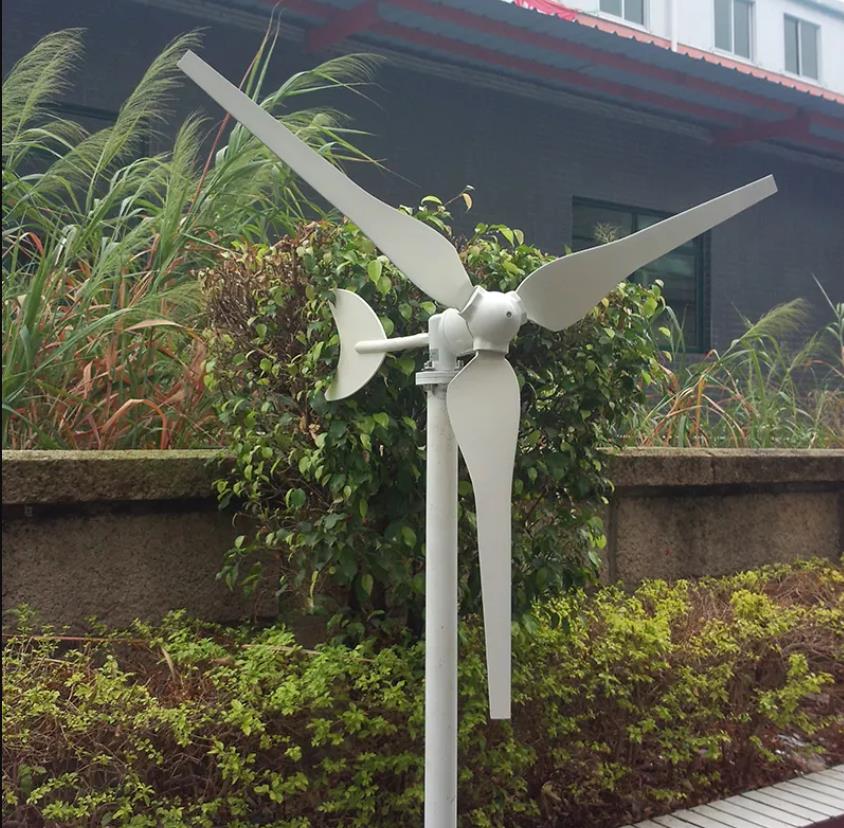
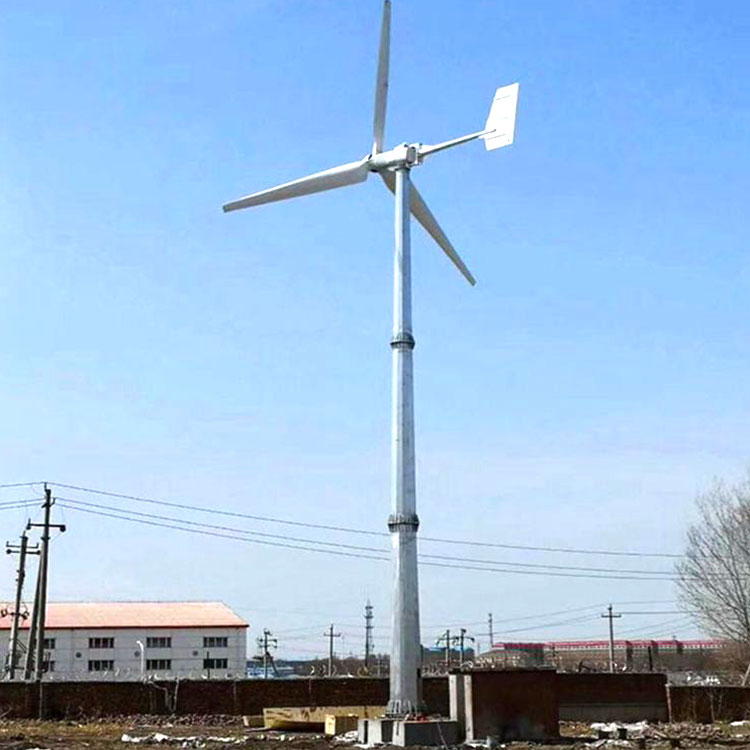
Wind energy has emerged as a crucial component in the quest for sustainable and clean energy solutions. As the demand for renewable energy sources grows, understanding the different types of wind turbines is essential for global buyers seeking innovative products in this field. From small-scale residential turbines to large offshore installations, the diverse range of wind turbine designs caters to various energy needs and geographical conditions. The primary categories of wind turbines include horizontal-axis and vertical-axis turbines. Horizontal-axis turbines, which dominate the market, are characterized by their efficiency and capability to harness wind energy effectively. They are widely used in wind farms for large-scale power generation. On the other hand, vertical-axis turbines are gaining traction due to their unique advantages, including the ability to capture wind from any direction and their lower height requirements, making them suitable for urban environments and smaller installations. As the industry continues to evolve, advancements in turbine technology, such as increased blade efficiency and smarter energy management systems, are paving the way for more effective energy solutions. For global procurement professionals, investing in the right wind turbine technology not only supports environmental goals but also enhances energy independence and reduces long-term operational costs. Exploring the latest innovations and understanding the unique offerings in the wind turbine market are essential steps towards making informed purchasing decisions in this rapidly growing sector.
Types Of Wind Turbines Products Pioneers in the Field
| Type | Description | Capacity (kW) | Rotor Diameter (m) | Application |
|---|---|---|---|---|
| Horizontal Axis Wind Turbine | Most common type, featuring a rotor with blades mounted horizontally. | 100 - 5000 | 40 - 150 | Utility scale, offshore, and onshore applications. |
| Vertical Axis Wind Turbine | Suitable for urban areas, with a rotor that spins around a vertical axis. | 300 - 600 | 10 - 25 | Residential and small commercial use. |
| Offshore Wind Turbine | Designed to operate in marine environments, often larger with high capacity. | 3000 - 10000 | 120 - 220 | Large scale energy production. |
| Small Wind Turbine | Designed for individual homes or small businesses. | 400 - 1000 | 10 - 30 | Residential application and remote areas. |
Related Products

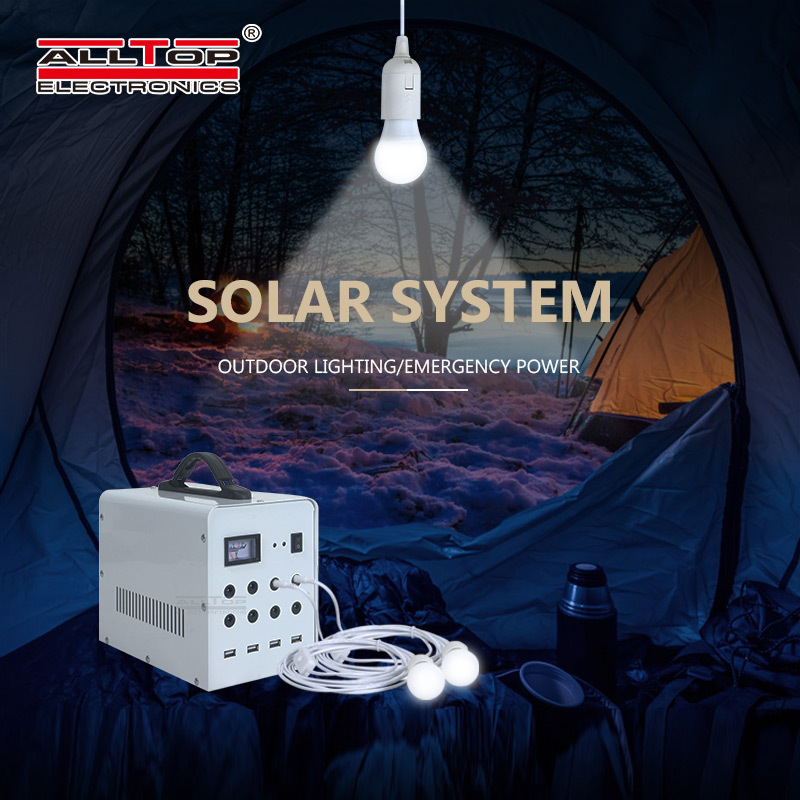
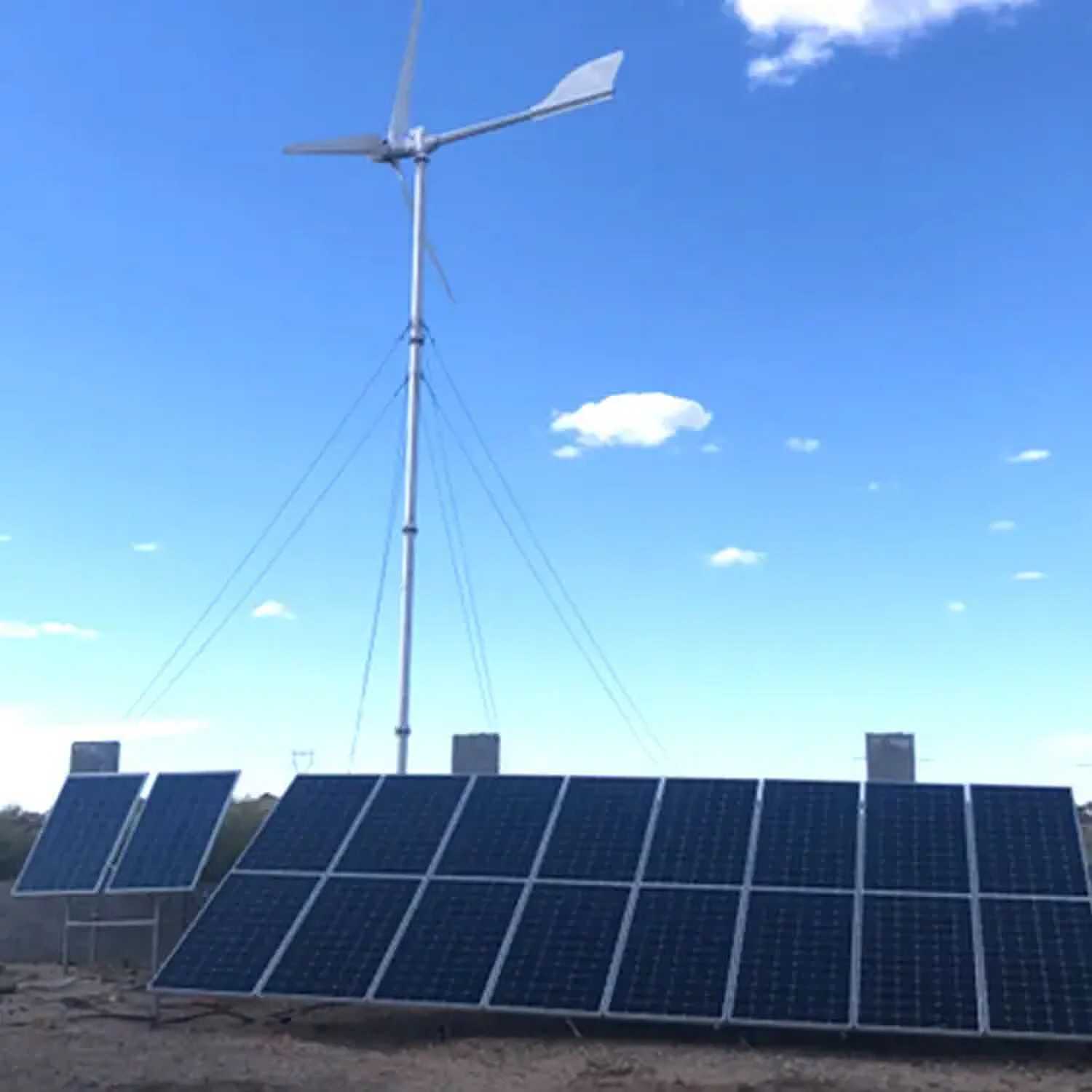
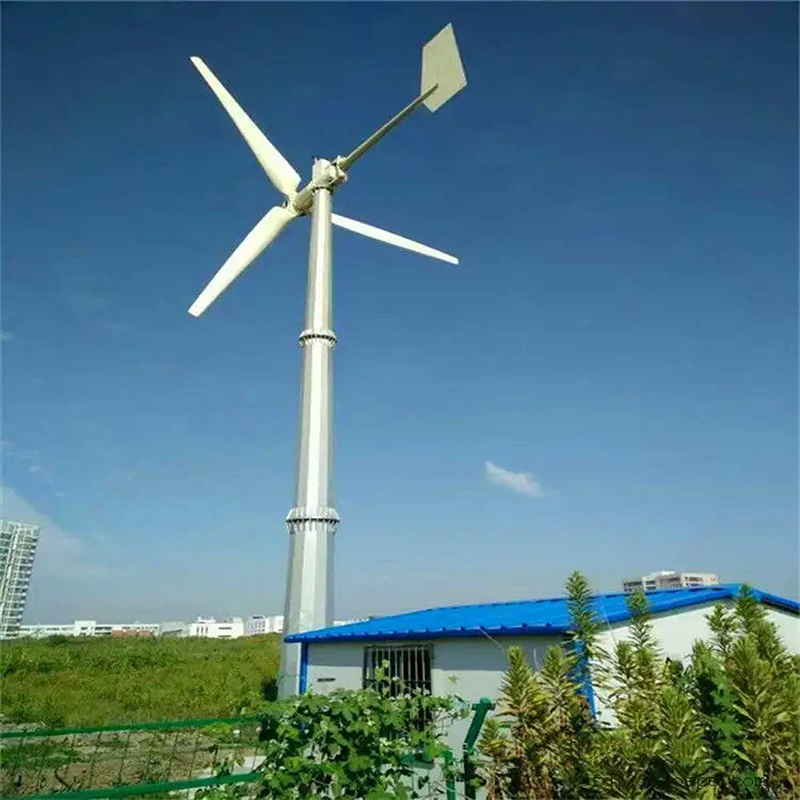
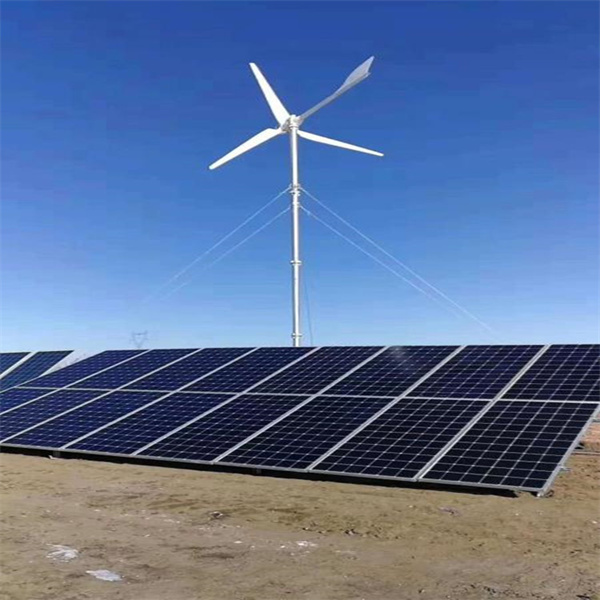
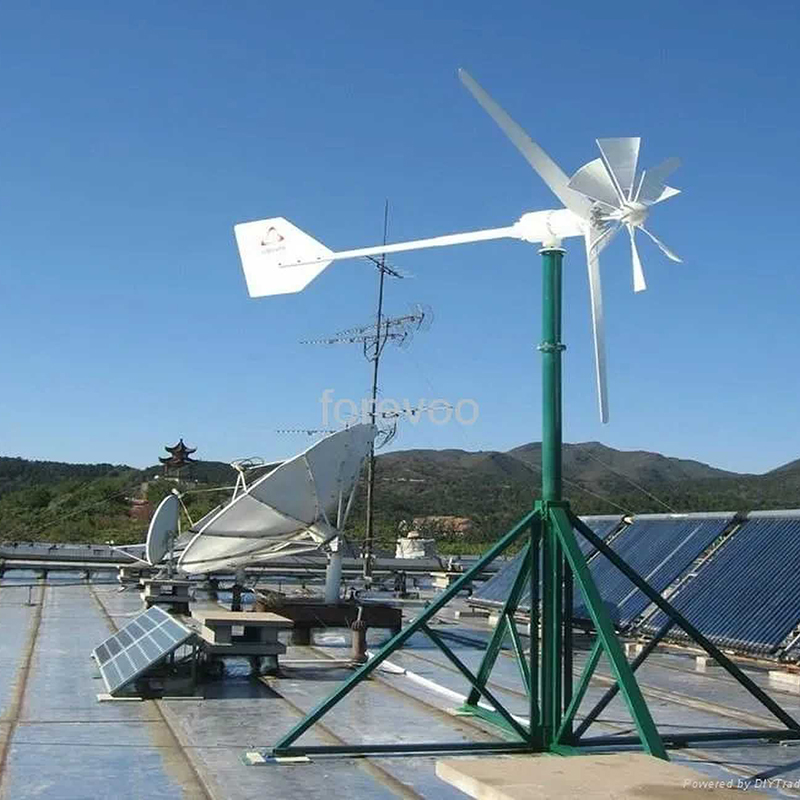
Types Of Wind Turbines Supplies the World\u2019s Top Brands Outperforms the Competition
Top Selling Products
- Related Blog
- Reviews
