
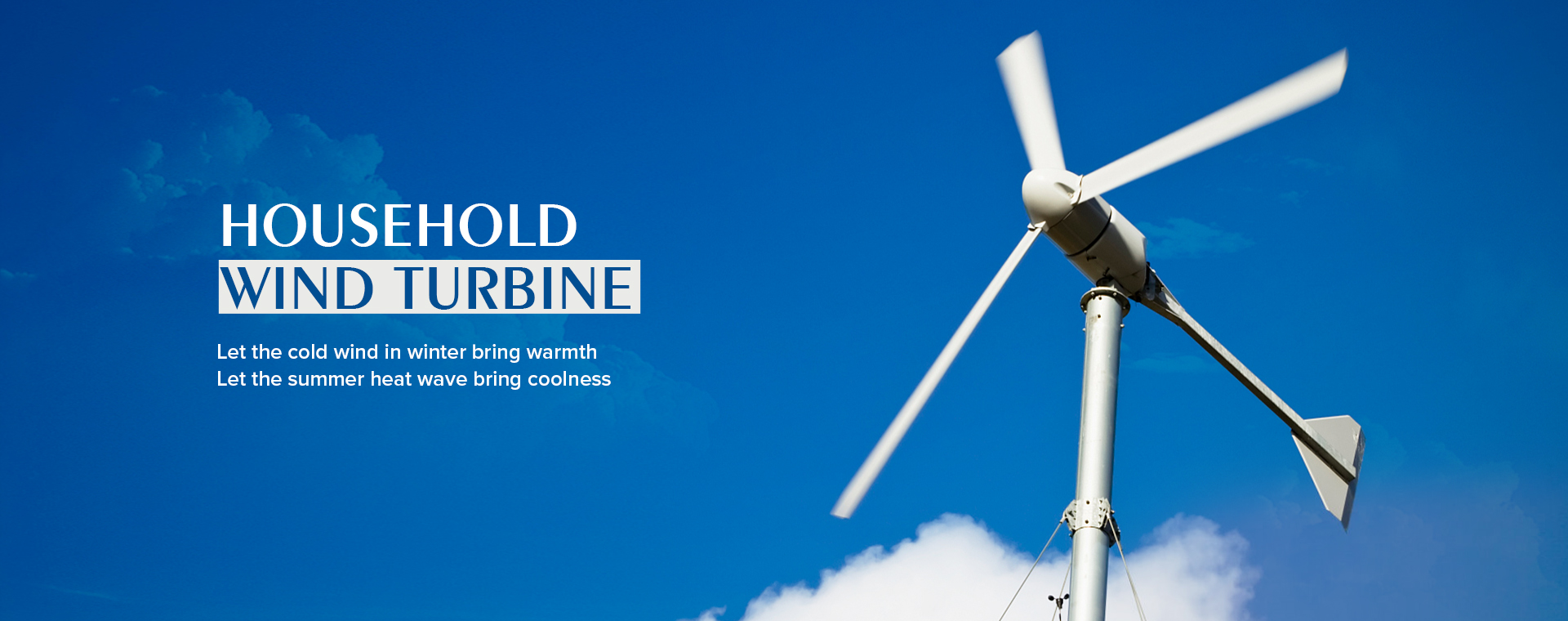
Top China Manufacturer of Small Horizontal Axis Wind Turbines
As a leading manufacturer in China, I’m excited to share our Small Horizontal Axis Wind Turbine designed for efficiency and sustainability. This turbine is perfect for businesses seeking reliable renewable energy solutions that fit into constrained spaces. With its compact design, it generates power even in low wind conditions, making it an ideal choice for urban and rural areas alike. I know that as a B2B purchaser, you're looking for dependable and cost-effective options, and our turbine is built with high-quality materials to ensure longevity and performance. Plus, with our comprehensive support and competitive pricing, we’re dedicated to helping you maximize your investment in clean energy. Whether you’re aiming to reduce your carbon footprint or looking to save on energy costs, our Small Horizontal Axis Wind Turbine is the perfect way to meet those goals. Let’s work together towards a greener future!
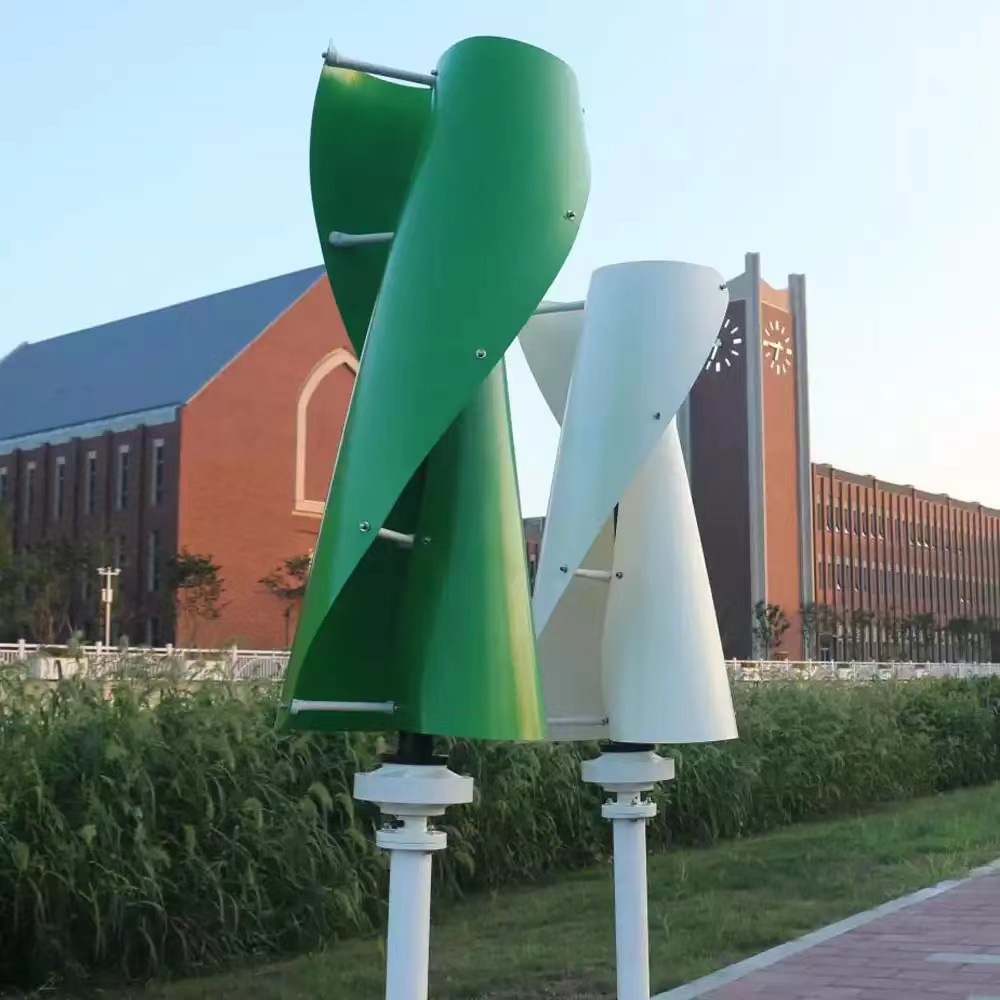
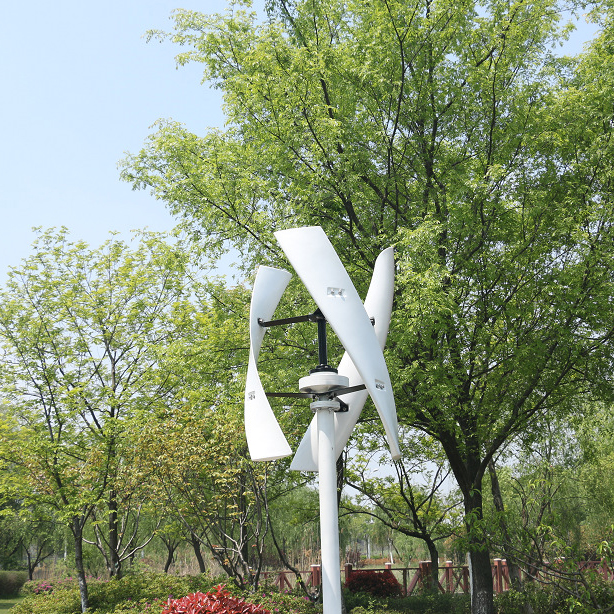
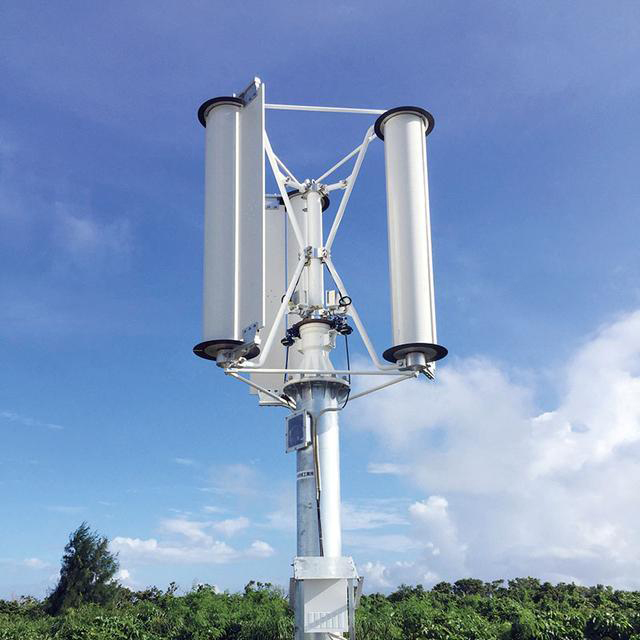

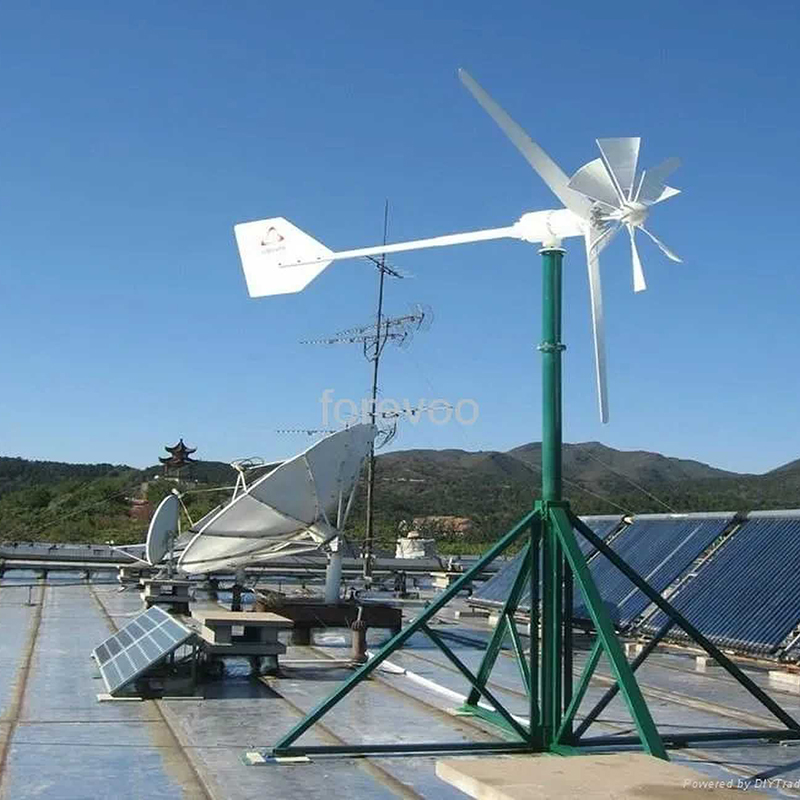
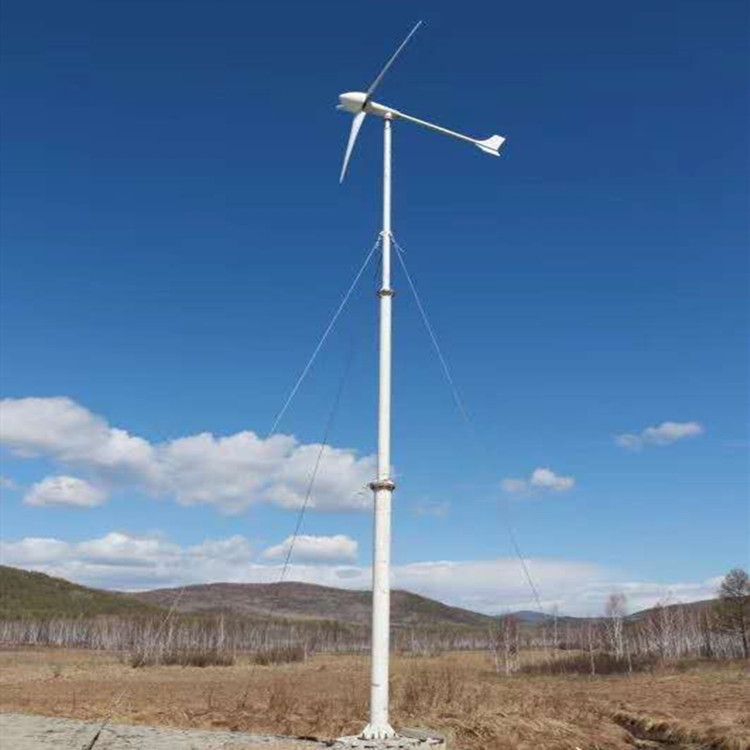
Small Horizontal Axis Wind Turbine Winning in 2025 More Than a Supplier - A Partner
In the fast-evolving landscape of renewable energy, the demand for efficient, sustainable solutions continues to rise. Small horizontal axis wind turbines (SHAWT) have emerged as a game-changer in harnessing wind energy, particularly for decentralized power generation. As businesses and communities seek reliable partners in this transition, companies that transcend the traditional supplier role are emerging as leaders in the industry. By embracing a collaborative approach, they offer not just products but tailored solutions that meet diverse energy needs. In 2025 and beyond, the emphasis will be on forming strategic partnerships that drive innovation and adaptability in the wind energy sector. These partnerships foster a deep understanding of local markets, ensuring that technology is not only compatible but is also optimized for specific environments. This collaborative framework enables businesses to invest in cutting-edge technology while benefiting from shared expertise in installation, maintenance, and operation, ultimately leading to enhanced efficiency and reduced costs. The future of small horizontal axis wind turbines lies not just in their design and functionality but in the relationships built around them. By prioritizing partnership over mere transactions, companies can empower global procurement teams with insights and support, paving the way for a more sustainable energy future. As we look toward 2025, the role of these innovative partners will be crucial in driving widespread adoption of renewable technologies, making it essential for buyers to seek out allies who are committed to mutual growth and sustainability.
Small Horizontal Axis Wind Turbine Winning in 2025 More Than a Supplier - A Partner
| Dimension | Value | Description |
|---|---|---|
| Power Output | 5 kW | The maximum power the turbine can generate at optimal wind speeds. |
| Rotor Diameter | 2.5 m | The diameter of the rotor's swept area, crucial for capturing wind energy. |
| Height | 4 m | The height of the turbine tower, affecting wind exposure. |
| Start-Up Wind Speed | 3 m/s | The minimum wind speed at which the turbine starts to produce power. |
| Cut-Out Wind Speed | 25 m/s | The wind speed at which the turbine will shut down to avoid damage. |
| Expected Lifespan | 20 years | The anticipated operational duration before major replacements are needed. |
Related Products
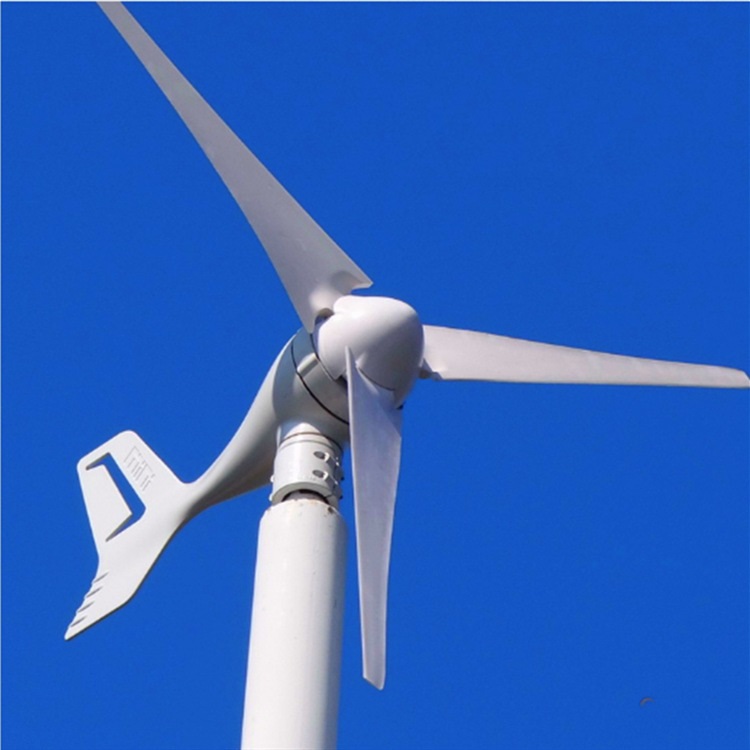
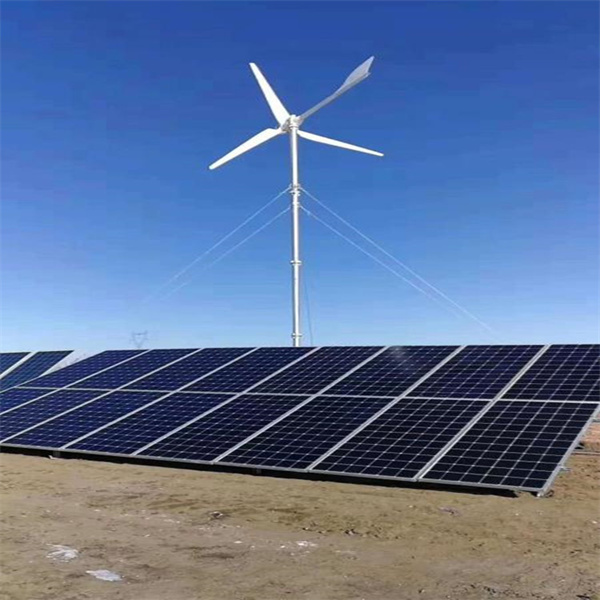
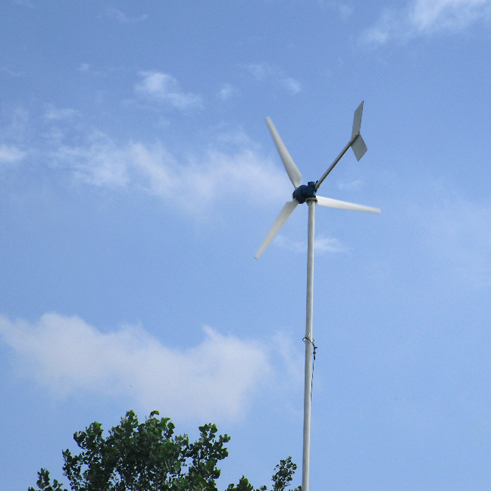

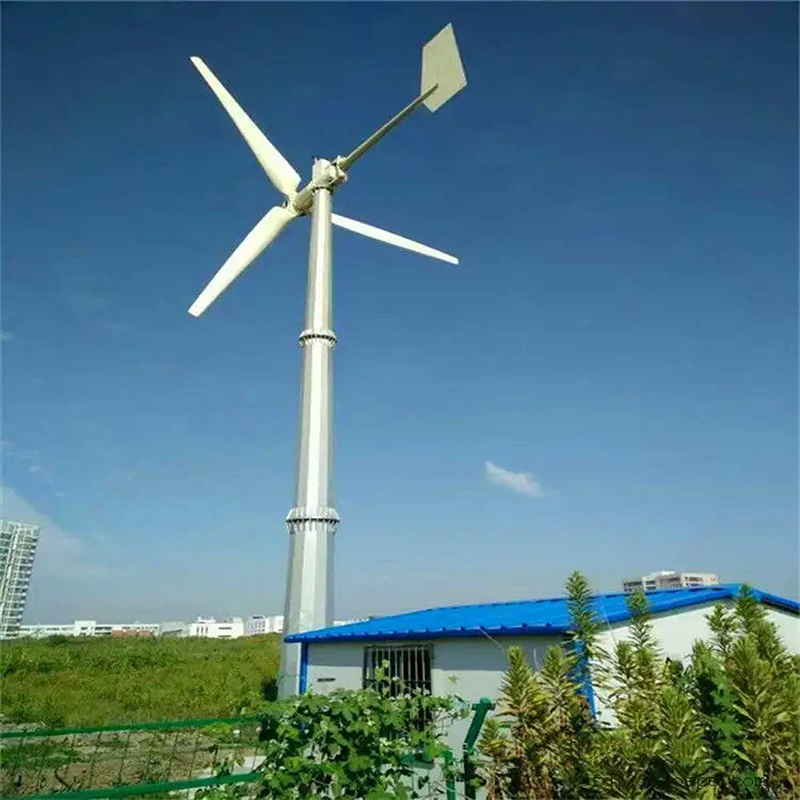
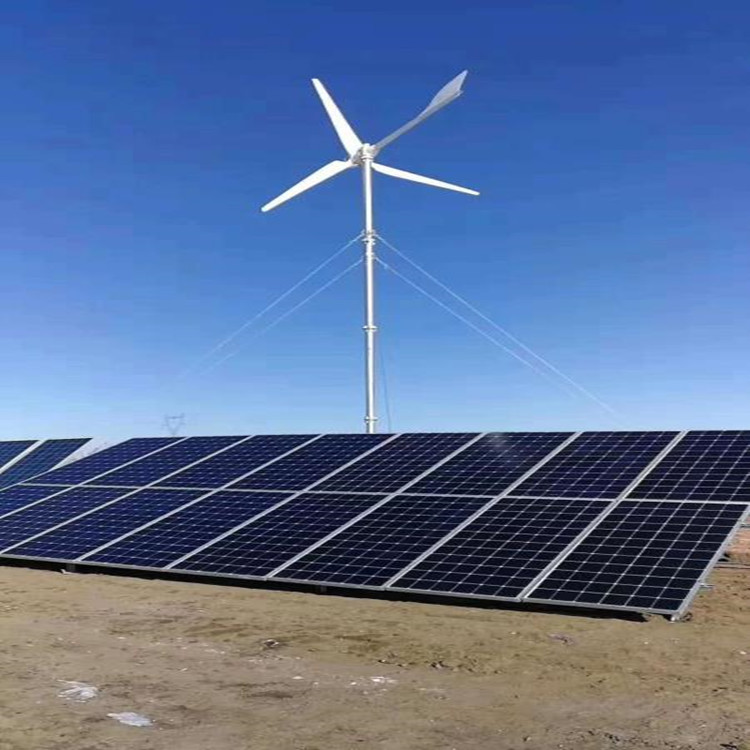
Small Horizontal Axis Wind Turbine in 2025 Market Leader
Top Selling Products
- Related Blog
- Reviews
