
Explore Horizontal Wind Turbine Types from Leading China Manufacturers
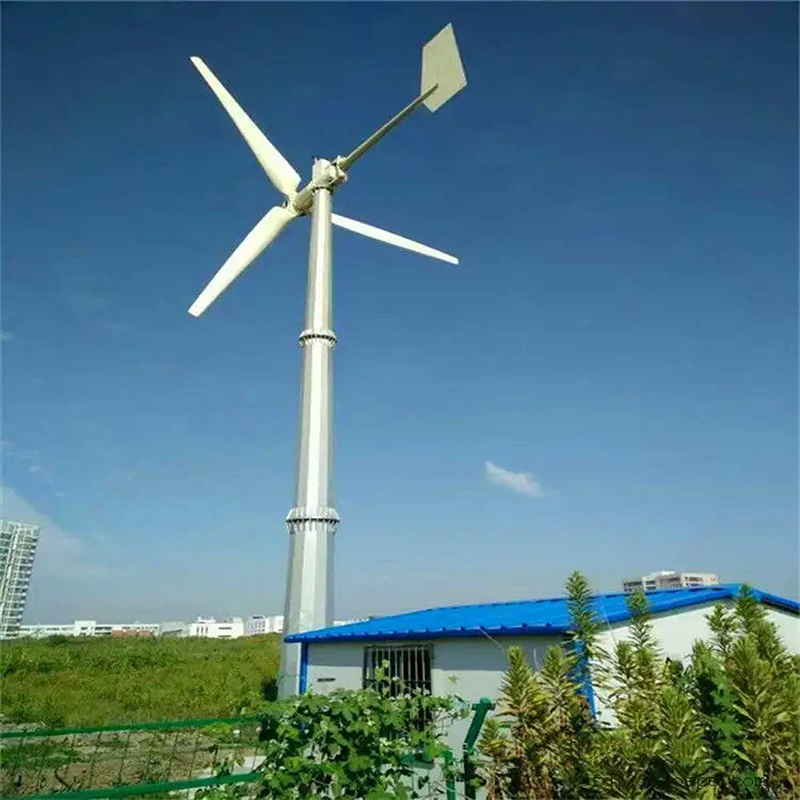
When I think about Horizontal Wind Turbine Types, I get excited about the incredible range of options available, especially from leading manufacturers in China. These turbines are designed not just for efficiency, but also for versatility in various environments. Whether you need a compact model for a small business or a larger system for utility-scale projects, there’s something out there that meets your needs. Working with a reliable manufacturer means I can count on high-quality products that are built to last, with innovative technology that maximizes energy output. I appreciate how these turbines can enhance my sustainability goals while reducing operating costs. Trust me, investing in the right horizontal wind turbine can lead to both economic and environmental benefits. Let’s explore how the latest models can power your projects efficiently while supporting a greener future. If you’re seeking a trusted partner in China, I’m here to help you find the perfect fit for your energy needs.
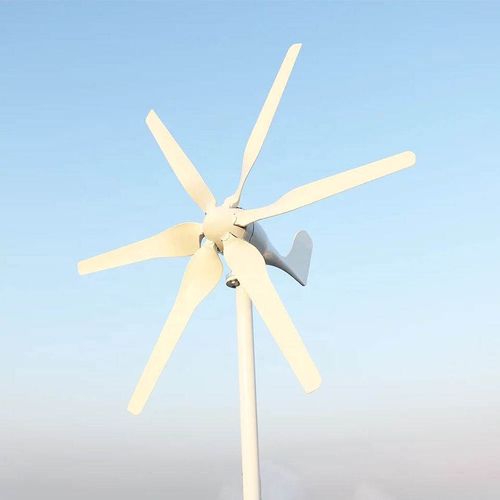
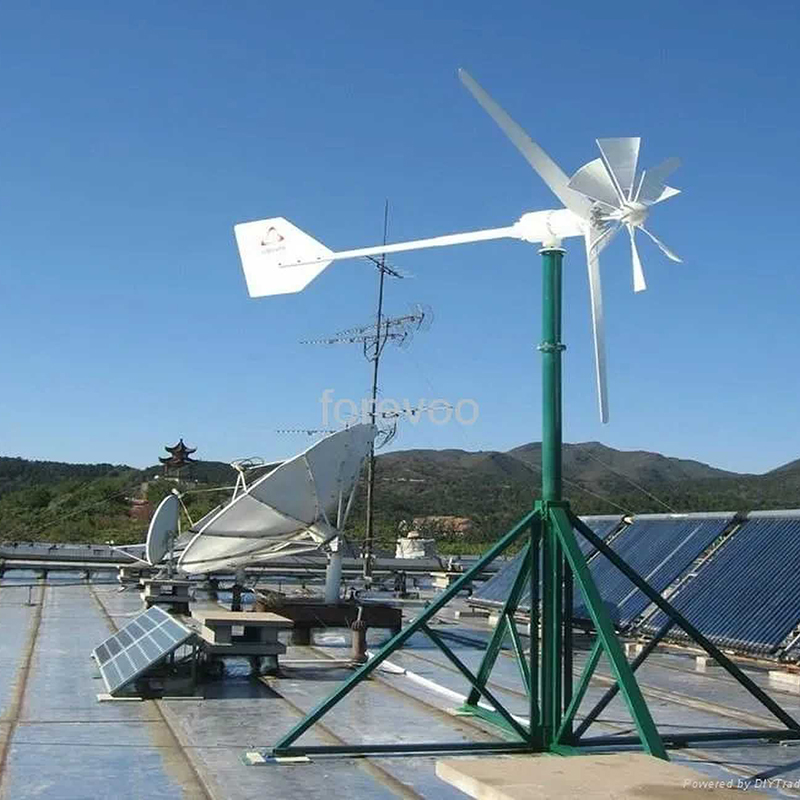
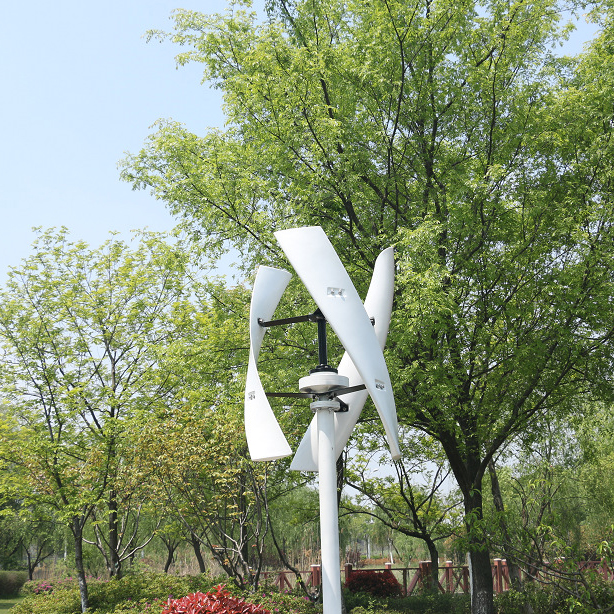
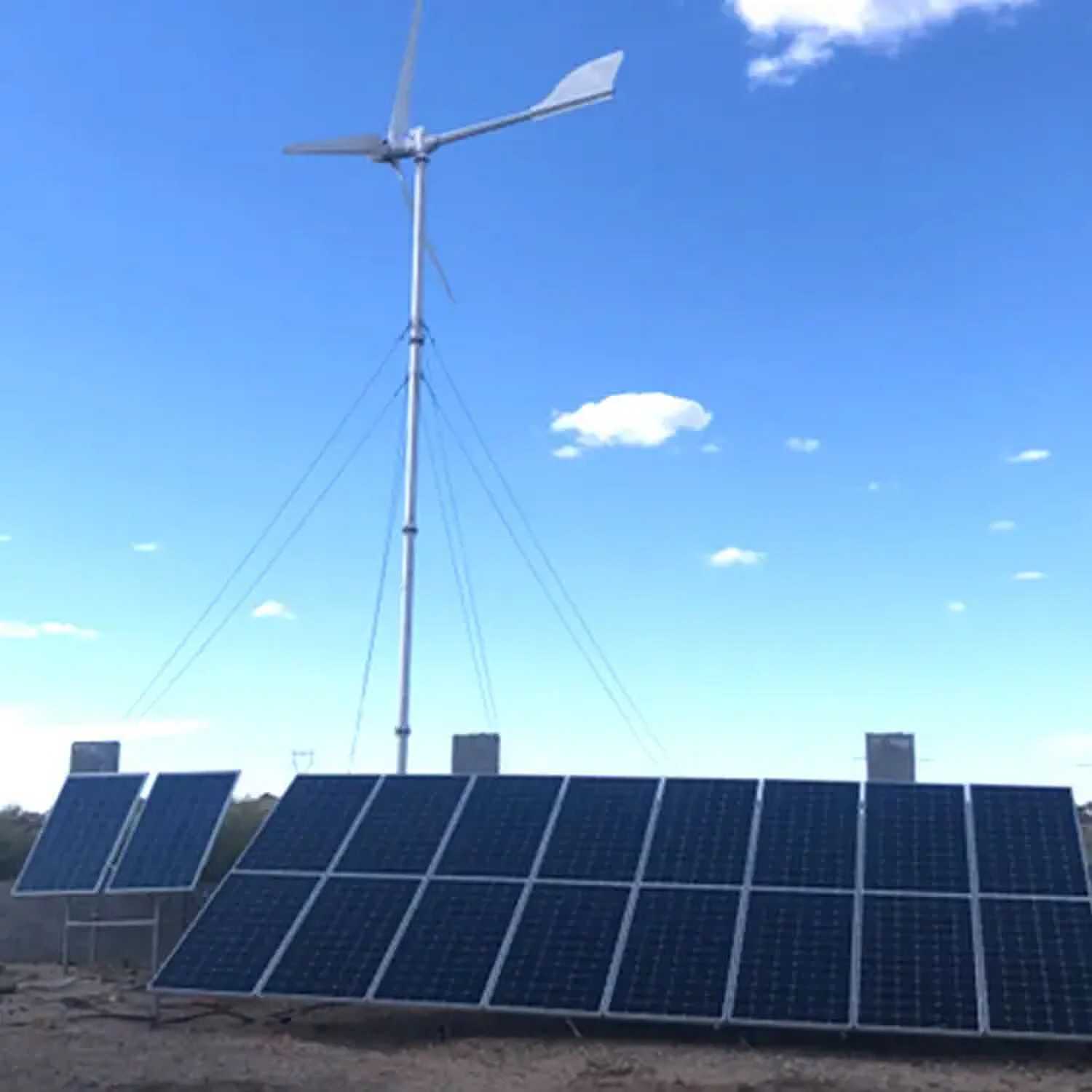
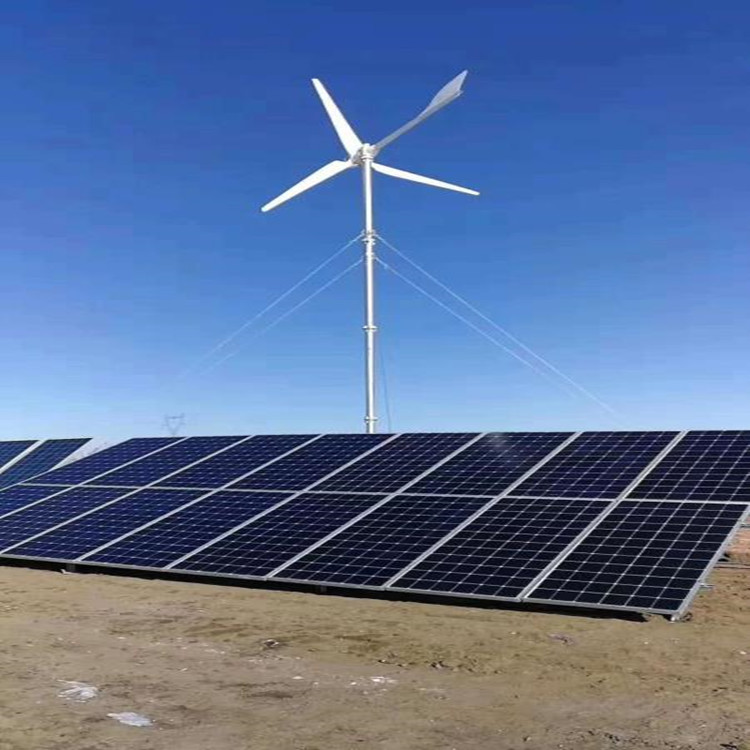

Horizontal Wind Turbine Types Where Innovation Meets 2025 Where Service Meets Innovation
In the rapidly evolving landscape of renewable energy, horizontal wind turbines are carving a significant niche by combining cutting-edge technology with innovative designs tailored for 2025 and beyond. As global demand for sustainable energy solutions rises, these turbines are at the forefront of harnessing wind power more efficiently and effectively. Their design allows for optimal energy capture, adaptability to various wind conditions, and reduced noise output, making them ideal for both urban and rural settings. Innovations in horizontal wind turbine technology include advanced materials, enhanced aerodynamics, and integrated smart systems that improve performance and monitoring capabilities. These features not only increase energy output but also drive down operational costs, providing a compelling proposition for investors and procurement specialists alike. Furthermore, as the industry moves towards more decentralized energy production, the versatility of these turbines makes them a desirable choice for various applications, from residential complexes to large-scale wind farms. As we look towards 2025, the emphasis on sustainable practices and energy independence is stronger than ever. Embracing these innovative horizontal wind turbine designs will not only contribute to a greener planet but also create new business opportunities for suppliers and manufacturers committed to providing top-notch renewable energy solutions. Now is the time for global players to consider integrating these innovative technologies into their energy portfolios, ensuring they remain competitive in the evolving market landscape.
Horizontal Wind Turbine Types Where Innovation Meets 2025 Where Service Meets Innovation
| Type | Rated Power (kW) | Blade Length (m) | Height (m) | Innovative Features |
|---|---|---|---|---|
| Type A | 150 | 45 | 80 | Smart Turbine Management |
| Type B | 200 | 50 | 90 | Noise Reduction Technology |
| Type C | 250 | 55 | 100 | Adaptive Blade Technology |
| Type D | 300 | 60 | 110 | Integrated Energy Storage |
Related Products
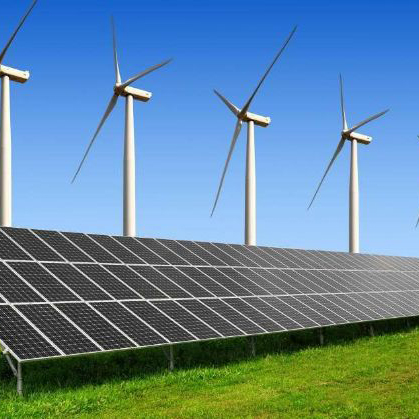

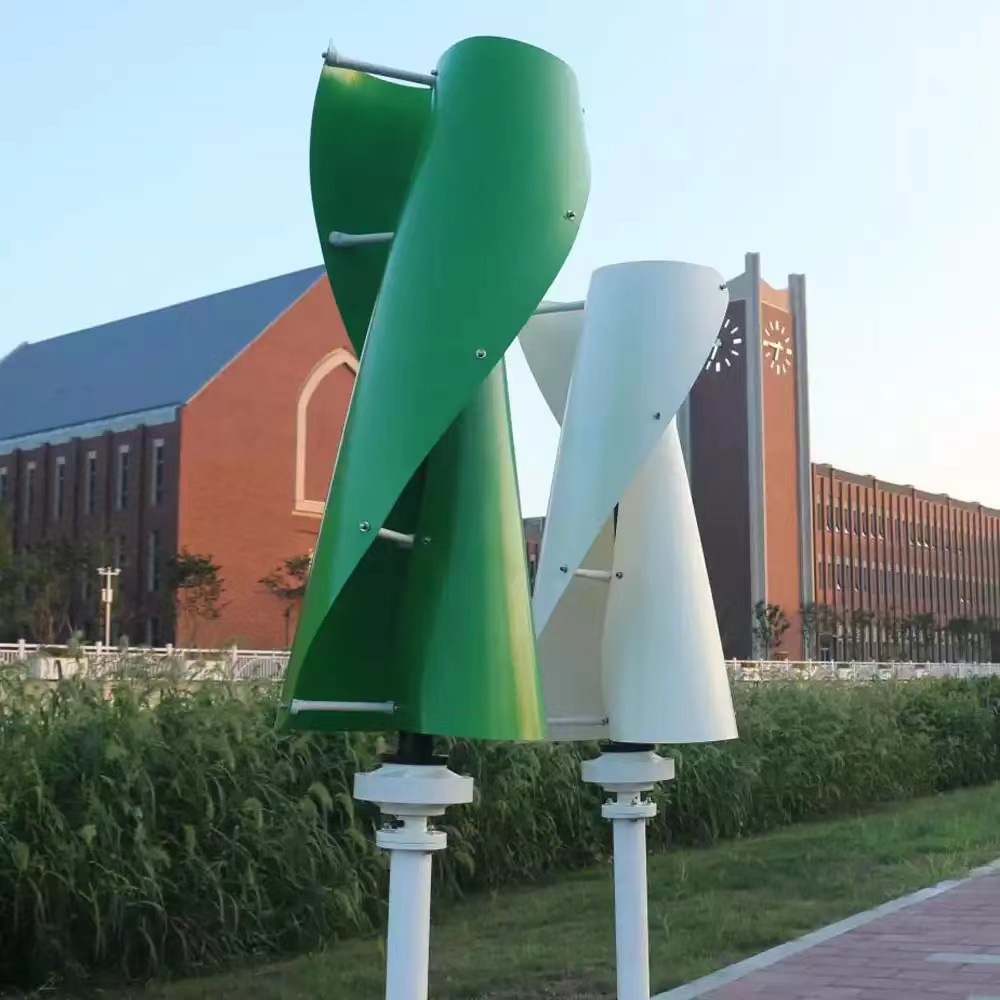

Horizontal Wind Turbine Types Guarantees Peak Performance Supplies the World\u2019s Top Brands
Top Selling Products
- Related Blog
- Reviews
